

Skin barrier repair is the foundation of any effective anti-ageing routine. While most conversations revolve around wrinkles, pigmentation, collagen, or anti-ageing ingredients. But before any of these concerns appear, something more elementary begins to weaken — the skin barrier.
A strong barrier is not cosmetic. It is foundational.
Understanding skin barrier and how to protect this outer layer may be the most important step in slowing visible ageing naturally and sustainably.
With my background and a Doctorate in Biotechnology, I view the skin barrier not just as a surface layer, but as a complex cellular matrix of lipids and ceramides. When this matrix is disrupted by harsh climates, it triggers accelerated ageing—which is why I engineered Rosiera to biochemically mimic and reinforce this vital protective wall.
What is the Skin Barrier? Understanding Your Skin’s Natural Shield
The skin barrier refers to the outermost layer of the skin, primarily the stratum corneum. This outer skin barrier plays a crucial role in maintaining hydration, protecting against environmental damage, and supporting overall skin health. It is often described using the “brick and mortar” model.
- The skin cells act as the bricks.
- Lipids — including ceramides, cholesterol, and fatty acids — act as the mortar.
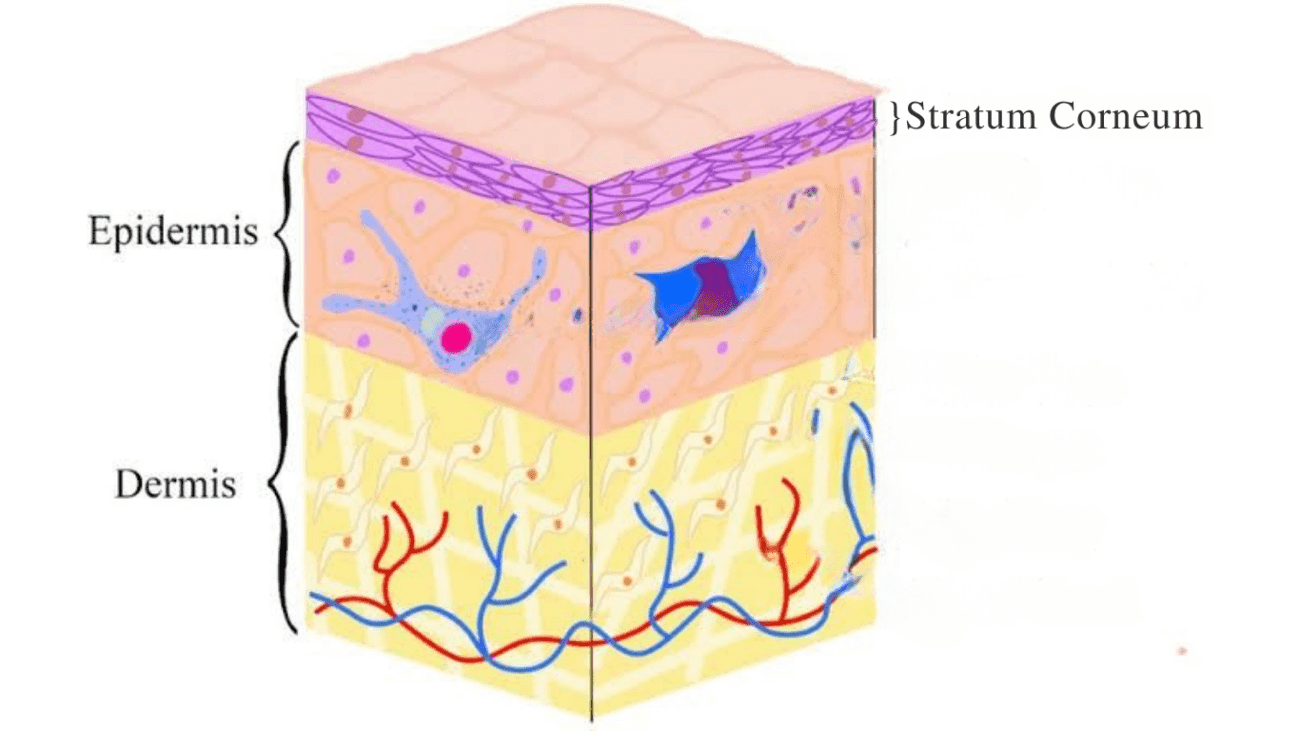
Together, these components form a protective shield that supports proper skin barrier function by preventing excessive trans epidermal water loss (TEWL), shielding the skin from pollution, irritants, and pathogens, reducing sensitivity and inflammation, and maintaining overall structural resilience.
This layer is thin, yet incredibly intelligent and responsive. When intact, it keeps hydration locked in and external aggressors out. When skin barrier becomes compromised, water escapes more easily, inflammation increases, and the skin becomes reactive, dehydrated, and visibly aged.
Why Skin Barrier Health is More Important Than Anti-Ageing Claims
Many products promise anti-ageing results by stimulating collagen production or resurfacing the skin. But however, if the skin barrier is weakened, these approaches often backfire. Without a healthy skin barrier, even the most advanced anti-ageing ingredients cannot function optimally.
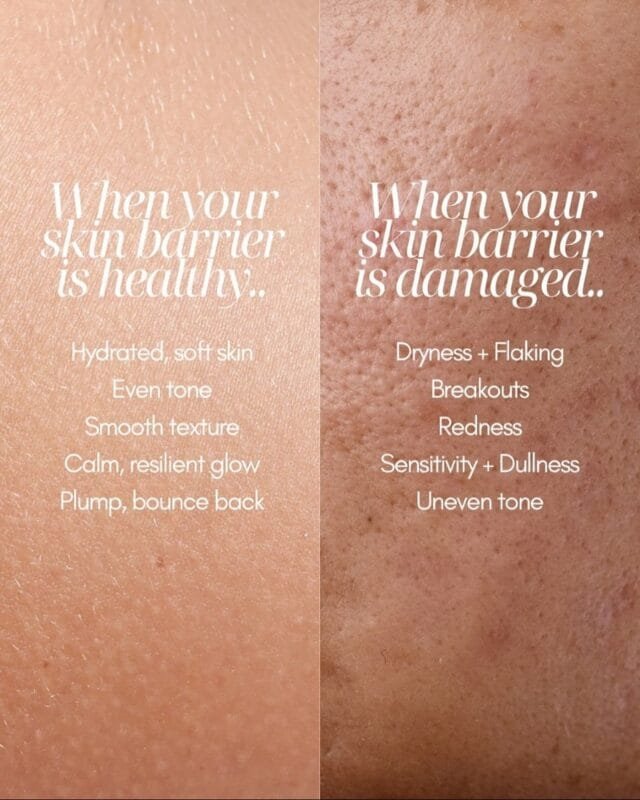
A damaged skin barrier can lead to several underlying issues that accelerate visible ageing:
1. Increased Trans epidermal Water Loss (TEWL)
When microscopic gaps form in the outer skin barrier, water escapes more easily. This increases trans epidermal water loss (TEWL) causing dehydration, making fine lines appear more pronounced, leaving the skin rough and dull.
2. Chronic Low-Grade Inflammation
When skin barrier is disrupted, even beneficial actives may cause irritation, redness or stinging impact. can trigger persistent inflammation. This often creates a cycle of overcorrection, where stronger products are introduced, further weakening the barrier instead of repairing it. Over time, this inflammatory response accelerates collagen breakdown — resulting in visible skin ageing.
In other words, without proper skin barrier function, anti-ageing efforts become unstable and less effective. Prioritizing skin barrier repair is not an additional step in routine— but it is the essential base upon which all other skincare should rest.
Signs of a Compromised Barrier: Is Your Skin Actually Ageing or Just Damaged?
A damaged skin barrier does not always present dramatic symptoms. In many cases, compromised skin barrier function appears gradually and subtly, making it easy to overlook.
Persistent Dryness and Tightness
If your skin feels tight even after moisturizing, your skin barrier may not be effectively retaining moisture. Increased trans epidermal water loss can leave the skin dehydrated despite regular product use.
Sudden Skin Sensitivity or Stinging
Stinging after applying mild skincare products, or sudden reactivity to ingredients you previously tolerated, is a common sign of a compromised skin barrier. When the protective layer weakens, the skin becomes more vulnerable to irritation.
Visible Redness and Uneven Texture
Frequent flushing, burning sensations, or a stretched feeling after cleansing may indicate lipid depletion within the outer skin barrier.
Rough patches, flakiness, and persistent dullness can signal disruption in the outermost layer of the skin. A weakened skin barrier struggles to maintain smoothness and resilience.
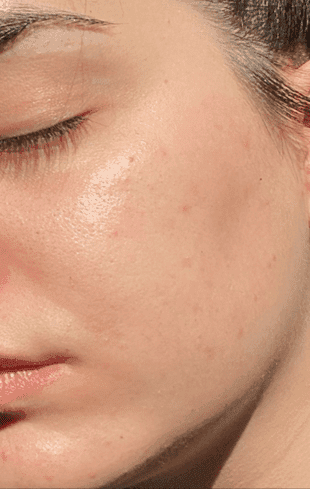
Many people mistake these symptoms for “needing stronger actives” or more aggressive treatments. But in reality, a damaged skin barrier usually requires fewer active ingredients and more structural support through gentle, barrier-repair and focused care.
What Causes Skin Barrier Damage? Common Habits That Weaken Your Skin
Modern lifestyles expose the skin barrier to continuous environmental and chemical stress. Over time, repeated exposure to certain habits and conditions weakens skin barrier function and contribute to visible skin ageing. Some of the most common causes of skin barrier damage include:
Over-Exfoliation
Frequent use of strong exfoliating acids, peels, or physical scrubs can strip away essential lipids that hold the outer skin barrier together. Though exfoliation supports renewal, excessive use disrupts the protective layer and increases trans epidermal water loss, leading to a damaged skin barrier.
Incorrect Use of Potent Actives
Retinoids, high-percentage acids, and intensive treatments require balanced application. These ingredients can weaken the skin barrier and reduce its ability to defend against external stressors, without adequate hydration and lipid replenishment,
Pollution and Urban Stress
In cities with high pollution levels, particulate matters generate oxidative stress. This affects collagen and disrupts lipid structures within the skin barrier, accelerating skin barrier damage over time.

Climate Extremes
Heat, humidity fluctuations, air conditioning, and dry environments all together impact moisture retention. Repeated exposure to such climate extremes gradually weakens the skin barrier, reducing resilience and increasing sensitivity.
These factors compound over time, especially in urban Indian environments where pollution and climate variation coexist. Without proper skin barrier support, daily environmental stress can silently accelerate visible ageing.
https://rosiera.in/2026/02/15/the-science-of-skin-ageing-and-how-to-slow-it-naturally
How to Repair Your Skin Barrier: A Step-by-Step Guide to Recovery
Skin barrier repair is not about adding more products. It is about restoring balance, reducing stressors, and strengthening the skin’s natural protective function. A damaged skin barrier requires thoughtful support — not aggressive correction.
When repairing a compromised skin barrier, more is not always better.
1. Simplify and Reduce Active Overload
Allow the skin time to rebuild its protective layer before introducing intensive treatments again. Overuse of potent actives can delay skin barrier repair and prolong sensitivity. If your routine includes multiple exfoliants, retinoids, and high-strength brightening acids, consider simplifying.
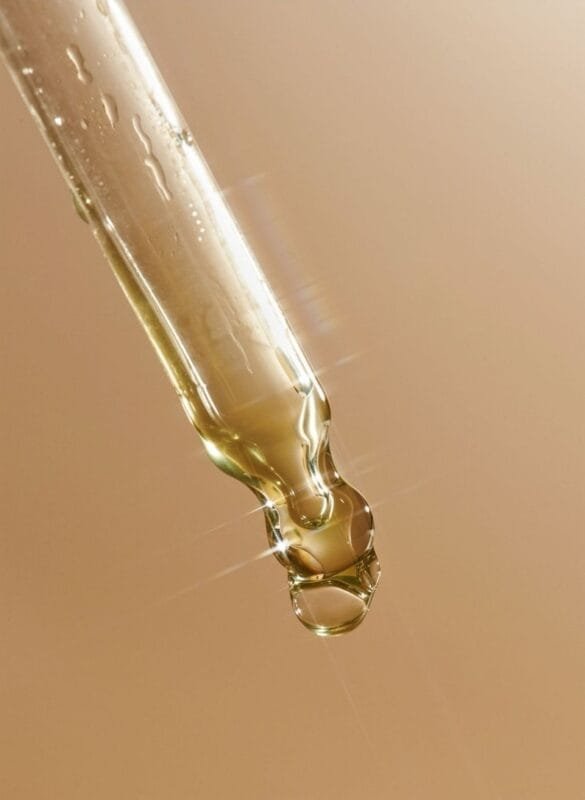
A consistent, balanced serum designed to support skin barrier resilience — such as our Timeless Repair Advanced Anti-Ageing Serum for skin barrier support — can be more effective long-term than aggressive correction strategies.
2. Prioritize Hydration and Lipid Support
Hydration draws water into the skin. Lipids lock it in.
To effectively strengthen the skin barrier, look for formulations that combine:
Multi-molecular weight hyaluronic acid to support both deep and surface hydration
3. Restore with Peptides and Ceramides
Ceramide-supportive ingredients to restore essential lipids
Peptides to promote structural resilience
Hydration without lipid support evaporates quickly. Lipid support without hydration lacks plumpness and flexibility. For proper skin barrier repair, both elements must work together to restore balance and reduce trans epidermal water loss.
4. Maximize Your Overnight Repair Window
The skin undergoes its most active repair processes during sleep. Night routines should prioritize nourishment, hydration, and barrier reinforcement rather than excessive stimulation.
The skin’s natural renewal cycle can be complemented with well- formulated serums focused on barrier support and collagen resilience. Supporting overnight recovery is one of the most effective ways to strengthen the skin barrier over time.
Consistency — not intensity — builds strength.
5. Protect Your Progress with Daily Sunscreen
Consistent skin barrier care does not require complex routines. Simple, intentional routine can significantly improve skin barrier health and reduce the risk of long-term damage.

To support skin barrier repair and maintain resilience:
- Use a gentle, non-stripping cleanser that preserves natural lipids
- Avoid over-layering exfoliating acids or harsh treatments
- Prioritize hydration-morning and night to reduce trans epidermal water loss
- Apply sunscreen consistently to protect against UV-induced barrier damage
- Adjust your skincare routine according to climate, humidity, and seasonal changes
A damaged skin barrier often results from cumulative stress rather than a single product. Thoughtful adjustments in daily habits support long-term stability and can prevent chronic disruption.
Skincare should adapt to the skin’s condition — not force it into trends or aggressive correction cycles.
Skin barrier repair is not a temporary p
Why Barrier Repair Slows Visible Ageing
Healthy ageing skin is not about eliminating expression lines. It is about maintaining structural integrity and long- term resilience. Skin barrier repair plays a crucial role in this process:
- Hydration levels remain stable
- Inflammation is minimized
- Collagen degradation slowdown
- Skin tolerates beneficial active ingredients more effectively
A healthy skin barrier reduces trans epidermal water loss, helping the skin maintain plumpness and elasticity. Hydrated skin appears smoother. Resilient skin responds better to environmental stress. Balanced skin reflects light more evenly, creating a naturally refined appearance.
In contrast, a damaged skin barrier accelerates visible ageing due to increasing dehydration and inflammatory stress — two major contributors to collagen breakdown.
Over time, consistent skin barrier repair translates into a complexion that looks calmer, stronger, and more refined — even as chronological ageing continues.
Ageing is inevitable.
Accelerated ageing is not.
The Link Between Skin Barrier Repair and Collagen Protection
While collagen lives deeper in the dermis, its environment is influenced by the epidermal barrier above it. The connection between skin barrier health and collagen integrity is often overlooked in anti-ageing discussions.
When the skin barrier becomes chronically damaged, inflammatory mediators increase. This low-grade inflammation indirectly accelerates collagen breakdown — one of the primary contributors to visible skin ageing.
A compromised skin barrier increases trans epidermal water loss and oxidative stress, creating additional strain on deeper structural proteins.
By maintaining lipid balance and adequate hydration in the upper layers of skin, we create a stable environment that protects collagen beneath. Supporting skin barrier function reduces unnecessary inflammation and strengthens overall skin resilience.
Barrier-first care does not replace collagen support. It stabilizes it – allowing collagen-targeting ingredients to perform more effectively over time. This is why formulations that combine peptides with hydration — like our peptide-based anti-ageing serum designed for collagen resilience — focus on structural stability before aggressive correction.
A Smarter Approach to Skin Longevity: Barrier-First Skincare
Trends in skincare often focus on rapid transformation and instant results. But true skin longevity follows a different path — one rooted in consistency, protection, and skin barrier repair.
A long-term approach to healthy skin ageing asks deeper questions:
- Is the skin consistently hydrated?
- Is the skin barrier daily protected?
- Are active ingredients used intelligently and in balance?
- Is environmental stress addressed proactively?
When skin barrier protection becomes a daily habit, corrective interventions become less necessary. Thoughtfully formulated serums built around hydration, peptide support, and barrier resilience — such as ROSIERA’s Timeless Repair Advanced Anti-Ageing Serum — are designed with this longevity-first perspective in mind. Strengthening the skin barrier reduces inflammation, stabilizes hydration, and supports structural integrity over time.
This philosophy reflects a more thoughtful perspective on beauty — one that values resilience over rapid change and long-term skin health over short-term intensity.
A nourished and supported skin barrier becomes less reactive, more balanced, and visibly stronger with time. Instead of chasing trends, skin longevity focuses on maintaining barrier integrity so that the skin can age steadily, not prematurely.
Healthy skin ageing is not about doing more.
It is about protecting what already protects you.
https://rosiera.in/2026/02/20/morning-vs-night-serums-when-to-use-what-for-best-skin-results
Conclusion: Why Skin Barrier Repair is the Ultimate Anti-Ageing Strategy
In the pursuit of youthful skin, it is tempting to focus only on visible signs of skin ageing — fine lines, pigmentation, or loss of firmness. But these are outcomes, not origins.
The origin lies in skin structure — and at the centre of that structure is the skin barrier.
A strong skin barrier supports hydration.
Hydration supports elasticity.
Elasticity supports smoother-looking skin.
When skin barrier repair becomes a priority, visible ageing slows naturally and sustainably.
True anti-ageing is not aggressive.
It is protective.
When the skin barrier is respected and supported daily, the skin ages more gracefully — with balance, strength, and quiet resilience.
Because lasting beauty is not built on intensity.
It is built on foundation.
This foundation-first philosophy shapes the way we formulate at ROSIERA — prioritizing barrier strength before visible correction.
4 thoughts on “5 Essential Steps for Skin Barrier Repair & Anti-Ageing.”