

Serum vs Cream vs Moisturizer — this is one of the most confusing topics in skincare. Walk through any skincare aisle or browse beauty advice online, and you will find these three categories everywhere. While each plays an important role in a routine, many people remain unsure about how they differ and in what order they should be used.
With my background and a Doctorate in Biotechnology, I look at skincare layering through the lens of molecular weight and absorption physics. A water-based serum is engineered with smaller molecules to penetrate deeply into the cellular layer, whereas heavy creams act as top-level seals—making the correct order crucial for real results
Understanding the distinction between these products is essential for building an effective skincare routine. Serums are typically designed to deliver concentrated active ingredients deep into the skin, while creams and moisturizers focus on hydration, nourishment, and barrier support. Each formulation has a unique structure and purpose, working together to support overall skin health.
Applying products in the correct order also makes a significant difference. Skincare generally follows a simple principle — lighter, more concentrated formulations are applied first, followed by richer, protective layers. This allows active ingredients to absorb effectively while helping the skin retain hydration and maintain its protective barrier.
When used thoughtfully, serums, creams, and moisturizers complement each other to create a balanced routine that supports the skin’s natural resilience, hydration, and long-term health. “Serum vs Cream vs Moisturizer is one of the most common skincare confusions, and understanding the difference helps build an effective routine.”
Why Skincare Products Have Different Textures and Roles
Skincare products are designed with different textures and formulations because each serves a specific purpose for the skin. Lightweight products are created to deliver active ingredients effectively, while richer formulations focus on sealing moisture and protecting the skin barrier. Understanding these differences helps in building a routine that allows each product to perform its role properly.
What Is a Serum?
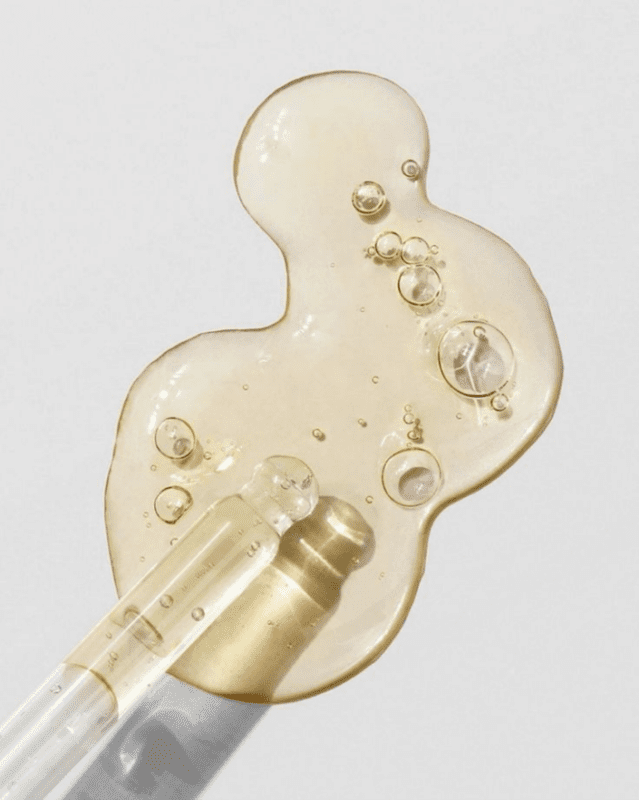
Serums are lightweight skincare formulations designed to deliver concentrated active ingredients directly to the skin.
Serums are designed to:
• Penetrate deeper into the skin
• Deliver targeted actives
• Support concerns like skin ageing, dullness, uneven tone and texture
Think of a serum as the engine of your skincare routine.
Lightweight Formulation and Faster Absorption
Serums typically have a thinner consistency compared to creams or moisturizers. This allows them to absorb quickly and penetrate the upper layers of the skin more effectively.
High Concentration of Active Ingredients
Serums often contain targeted ingredients such as antioxidants, peptides, or hydrating compounds that address specific skin concerns like skin ageing, dullness, or uneven tone.
What Is a Cream?
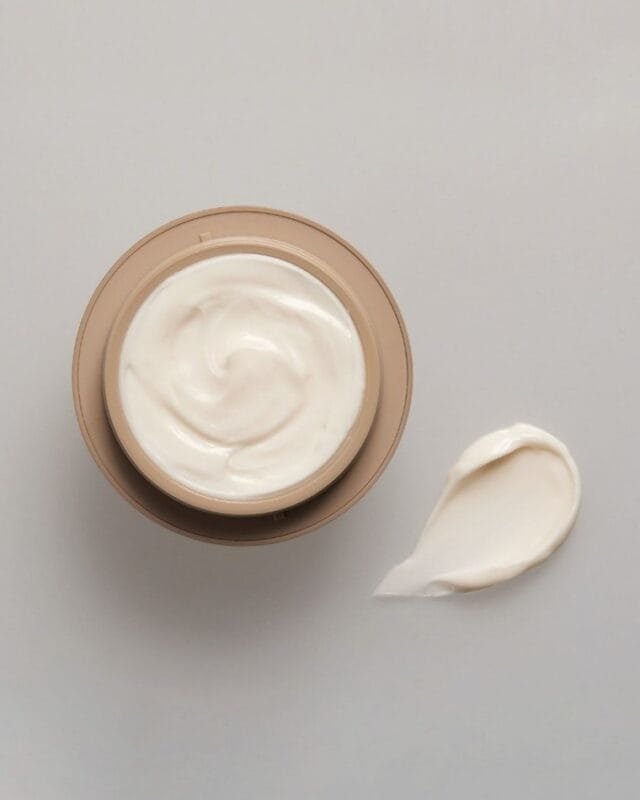
A cream is a support + comfort product.
Creams are richer formulations designed primarily to nourish the skin and support the skin barrier.
It is:
✔ Richer than a serum
✔ Helps lock in hydration
Creams work mainly on the upper layers of the skin, supporting softness, smoothness and barrier health.
They don’t replace a serum — they complete it.
Richer Texture for Skin Nourishment
Creams contain emollients and lipids that help soften the skin and improve its texture.
By reinforcing the outer layer of the skin, creams help protect against moisture loss and environmental stress.
What Is a Moisturizer?
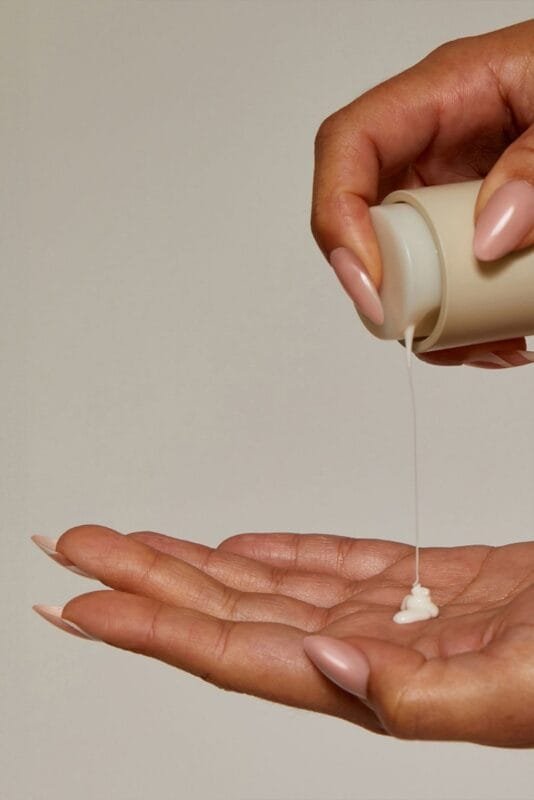
A moisturizer’s main role is hydration + protection.
Moisturizers are designed to maintain hydration and lock in moisture, helping the skin stay soft and balanced.
It:
• Seals in moisture
• Prevents water loss
• Keeps the skin barrier strong
Moisturizers can be light (gel/lotion) or rich (cream/balm), depending on your skin type.
Hydration and Water Retention
Moisturizers often contain humectants that attract water to the skin, helping maintain hydration levels.
Maintaining Skin Comfort
Regular moisturizing helps prevent dryness, tightness, and irritation while supporting overall skin health.
Serum vs Cream vs Moisturizer: The Real Difference
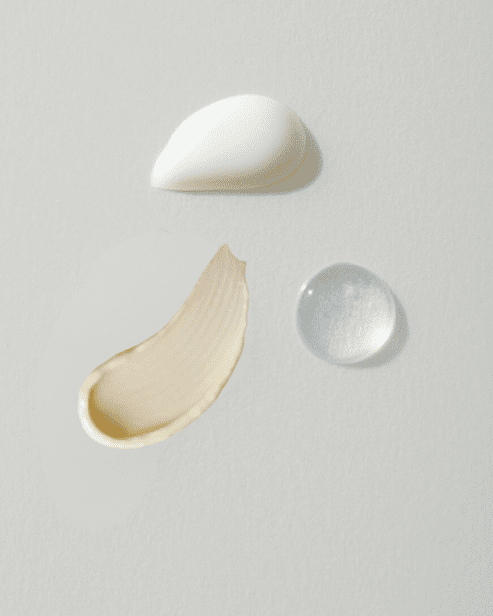
Serum vs Cream vs Moisturizer – Key Differences
| Product | Texture | Role | Works On |
| Serum | Light, fluid | Treats & targets issues | Deeper layers |
| Cream | Rich | Nourishes & softens | Surface layers |
| Moisturizer | Hydrating | Seals & protects | Skin barrier |
Which Comes First — Serum or Moisturizer?
👉 The golden rule: Lightest to richest
“When comparing Serum vs Cream vs Moisturizer, the main differences come from texture, absorption, and role in the routine.”
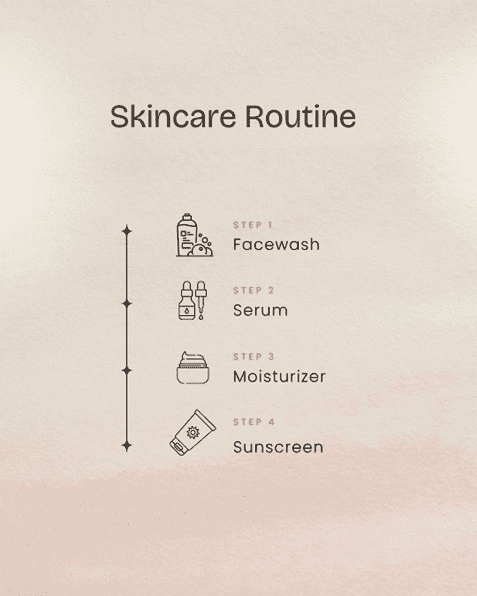
Correct Order:
- Cleanser
- Serum
- Cream / Moisturizer
- SPF (in the morning)
Why?
Because your serum needs to reach the skin first — before heavier products create a barrier.
The “Thinnest to Thickest” Rule
Lightweight products like serums are applied first so their active ingredients can absorb properly. Thicker creams or moisturizers are applied afterward to seal hydration.
Building an Effective Skincare Routine
A balanced routine usually includes cleansing, applying a serum for targeted benefits, and finishing with a cream or moisturizer to support hydration and barrier protection. While a basic routine is essential, the real magic happens when you introduce high-performance treatments. This is where your choice of serum makes the biggest difference.
Why Serums Often Play the Most Targeted Role in Skincare
Because of their concentrated formulations, serums often become the step where targeted ingredients are delivered to the skin. When thoughtfully formulated, a serum can support skin hydration, resilience, and overall balance as part of a consistent skincare routine.
While creams and moisturizers support hydration and comfort, serums often provide the targeted treatment step that drives visible skin improvements over time.
Serums:
✔ Drive change
✔ Improve skin behaviour
✔ Deliver results over time
That’s why ROSIERA focuses on intelligent serums that combine:
• Peptides for firmness
• Niacinamide for tone & resilience
• Botanical extracts for calm & glow
👉 Discover this balance in the
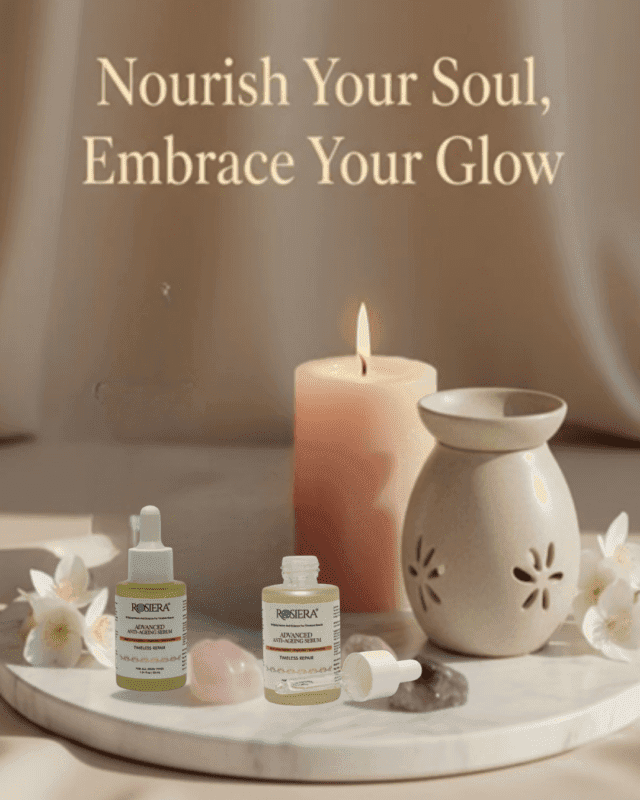
ROSIERA Timeless Repair Advanced Anti-Ageing Serum
— your daily ritual for timeless skin.
Can One Product Replace the Others?
Short answer: No — they work best together.
• Serum = treatment
• Cream = comfort
• Moisturizer = protection
When layered correctly, they support your skin at every level.
While serums, creams, and moisturizers each serve different purposes, many people wonder whether a single product can replace the others in a skincare routine. The answer largely depends on the formulation and the specific needs of the skin.
Serums are typically designed to deliver highly concentrated active ingredients that target specific concerns such as dullness, uneven tone, or signs of skin ageing. Because of their lightweight texture, they absorb quickly and focus on treatment rather than sealing moisture.
Creams and moisturizers, on the other hand, are formulated to support hydration and protect the skin barrier. They help reduce moisture loss and create a protective layer that keeps the skin comfortable and balanced throughout the day.
In some cases, a well-formulated product may provide multiple benefits, combining hydration, nourishment, and active ingredients in one step. However, using complementary products can often provide more comprehensive support for the skin — allowing treatment, hydration, and barrier protection to work together.
A thoughtful skincare routine therefore focuses less on the number of products used and more on choosing formulations that support the skin’s long-term health and resilience.How to Build a Simple, Effective Routine
How to Build a Simple, Effective Routine
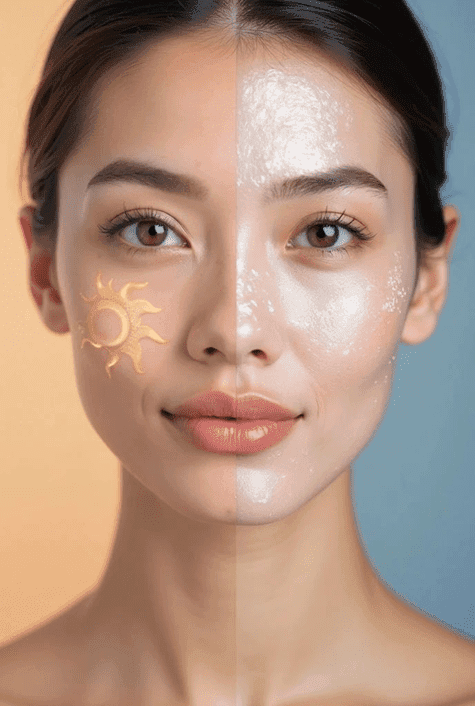
Morning
- Cleanse
- Apply serum
- Moisturize
- SPF
Night
- Cleanse
- Apply serum
- Use cream
Consistency > complexity.
ROSIERA’s Philosophy
At ROSIERA, we believe in Bringing Nature and Science for Timeless Beauty.
Thoughtful skincare begins with formulations that work in harmony with the skin. A well-designed serum is often the step where carefully selected ingredients can deliver targeted support — helping the skin maintain balance, hydration, and resilience over time.
The philosophy behind ROSIERA’s Timeless Repair Anti-Ageing Serum focuses on:
✔ Deep yet gentle absorption
✔ Carefully balanced active ingredients
✔ Consistent support for the skin — day and night
When skincare is formulated with intention, the goal is not only to improve how the skin looks, but also to support how it naturally functions.
Final Thought
If there is one simple rule to remember in skincare routines:
✨ Apply your serum first.
Starting with a lightweight, targeted formulation allows active ingredients to absorb effectively, while creams and moisturizers help seal hydration and support the skin barrier.
A thoughtful routine does not need to be complicated — it simply needs the right steps in the right order.
Explore how thoughtfully formulated serums can support healthier-looking skin over time.
Frequently Asked Questions
1. Should I apply serum before or after moisturizer?
Always apply serum before moisturizer. Following the ‘thinnest to thickest’ rule ensures that the lightweight serum can penetrate deeply before the heavier cream seals the skin.
2. Can I use a face serum instead of a moisturizer?
In the serum vs cream vs moisturizer debate, it’s important to remember they have different roles. A serum treats specific concerns, while a moisturizer protects the skin barrier. For the best results, you should use both.
3. Is it necessary to use both a treatment serum and a face cream?
Using both can be beneficial because they support the skin in different ways. A serum provides concentrated active ingredients and treats skin, while a cream helps nourish and protect the skin barrier. Together they create a more balanced and effective skincare routine.
4. How long should I wait to apply moisturizer after serum?
Wait about 30–60 seconds for your serum to absorb. Applying your moisturizer while the skin is still slightly damp helps lock in the active ingredients more effectively.
“The Serum vs Cream vs Moisturizer rule is simple — apply the serum first, then follow with a cream or moisturizer.”