

Pollution and skin ageing are deeply connected, especially for skin living in India’s climate.
Ageing is not only written in our genes.
It is also written in the air we breathe and the climate we live in.
For skin living in India, environmental stress is constant — intense sun, urban pollution, dust, humidity, and heat.
These daily exposures quietly accelerate oxidative stress, barrier damage, and premature ageing.
- How Intense UV Exposure Accelerates Skin Ageing
- Urban Pollution and Oxidat#pollutionive Stress: How it Damages Skin
- Heat, Humidity, and Barrier Disruption
- How Pollution Damages the Skin Barrier
- Antioxidant Support: Neutralizing Free Radical Damage
- Barrier Strengthening to Prevent Dehydration and Sensitivity
- Calming Botanicals for Stressed and Reactive Skin
Environmental Ageing — The Hidden Stress on Skin
Ageing is often thought of as something determined mainly by genetics. However, dermatological research shows that a significant part of visible skin ageing is influenced by external factors. This process is known as environmental or extrinsic ageing, where everyday exposures gradually affect the structure and function of the skin.
Unlike intrinsic ageing, which occurs slowly as part of the body’s natural biological timeline, environmental ageing is driven by repeated exposure to external stressors such as air pollution, ultraviolet radiation, heat, dust, and changing climate conditions. These factors do not usually cause immediate visible damage. Instead, they create subtle and cumulative stress on the skin over time.
One of the primary mechanisms behind environmental ageing is oxidative stress. When the skin is exposed to pollutants and UV radiation, unstable molecules known as free radicals are generated. These molecules can disrupt normal cellular processes, weaken the skin barrier, and contribute to the breakdown of important structural components like collagen and elastin. As this process continues over years, the skin may gradually show signs such as dullness, uneven tone, fine lines, and reduced resilience.
In regions with intense sunlight, high humidity, dust, and urban pollution, these environmental pressures can be particularly significant. Over time, this constant exposure may accelerate visible ageing more than many people realise. “Modern skincare routines often become unnecessarily complicated. At ROSIERA, we believe in thoughtful skincare that supports the skin barrier with a balanced approach.”
Understanding environmental ageing is therefore essential for maintaining long-term skin health. By recognising how daily surroundings influence the skin, it becomes possible to adopt skincare approaches that help support the skin barrier, reduce oxidative stress, and maintain the skin’s natural balance.
Why Indian Skin Faces Stronger Environmental Stress
Understanding these environmental pressures helps explain why protective and barrier-supportive skincare becomes especially important in such conditions.
1.How Intense UV Exposure Accelerates Skin Ageing

One of the most significant environmental factors affecting skin in India is strong ultraviolet (UV) radiation. In many regions, sunlight exposure remains high for most of the year, and daily outdoor activities often increase cumulative UV exposure.
UV Damage to Collagen and Skin Firmness
UV radiation penetrates the skin and can gradually damage structural proteins such as collagen and elastin, which are responsible for maintaining skin firmness and elasticity. When these proteins break down over time, the skin may begin to show early signs of ageing such as fine lines, reduced firmness, and uneven texture.
Hyperpigmentation and Melanin in Indian Skin
UV exposure can also stimulate excess melanin production, which may lead to hyperpigmentation, uneven skin tone, and dark spots. Because pigmentation pathways in Indian skin are more active, prolonged sun exposure can make these changes more noticeable.
Consistent protection from UV exposure therefore becomes an important part of maintaining healthier-looking skin over time.
2. Urban Pollution and Oxidative Stress: How it Damages Skin
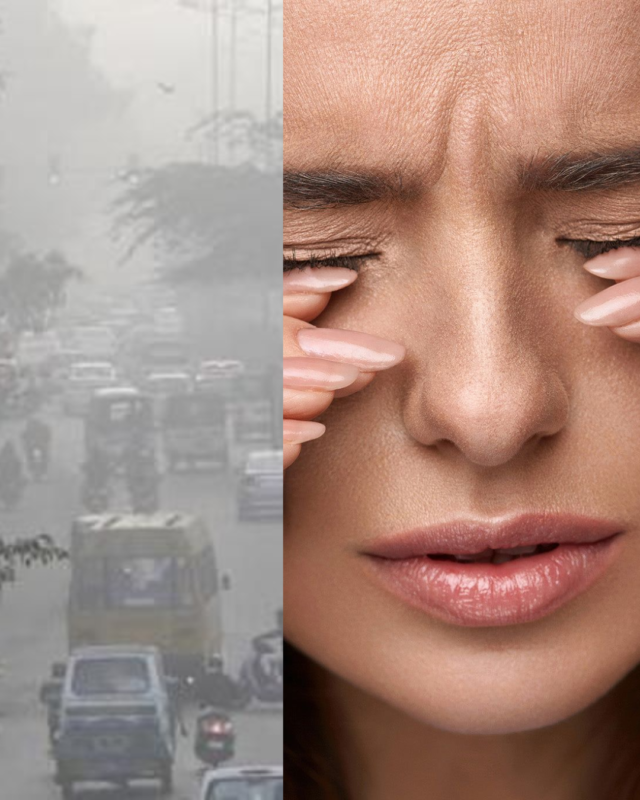
Rapid urbanisation has increased exposure to airborne pollutants, especially in cities. Pollution particles such as dust, smoke, and industrial emissions can settle on the skin’s surface and interact with the skin barrier.
With my background and a Doctorate in Biotechnology, I studied how particulate matter ($PM_{2.5}$) triggers massive oxidative stress in skin cells at a molecular level. This specific cellular breakdown is why I formulated Rosiera to act as a direct shield, helping to neutralize free radicals before they can degrade your natural collagen architecture.
How Free Radicals Accelerate Premature Ageing
These particles can trigger the formation of free radicals, unstable molecules that create oxidative stress in skin cells. Oxidative stress interferes with normal cellular processes and may contribute to collagen degradation, inflammation, and premature ageing.
Pollution can also weaken the outer protective barrier of the skin, making it more susceptible to irritation, dryness, and dullness. Over time, repeated exposure to polluted environments may lead to visible changes such as uneven skin tone, reduced radiance, and early appearance of fine lines.
Supporting the skin with antioxidant-rich and barrier-supportive skincare can help the skin better defend itself against these environmental pressures.
3. Heat, Humidity, and Barrier Disruption
India’s climate often includes prolonged heat, high humidity, and seasonal extremes, all of which can influence how the skin behaves. While humidity may sometimes help maintain surface hydration, constant exposure to heat and fluctuating climate conditions can disrupt the delicate balance of the skin barrier.
High temperatures can increase sweat production and oil activity, which may disturb the skin’s natural protective layer. When this balance is disrupted repeatedly, the skin barrier may become weaker, leading to increased sensitivity, dehydration, and inflammation.
Heat and environmental stress can also stimulate inflammatory responses in the skin, which over time may contribute to redness, irritation, and accelerated ageing processes.
Maintaining a healthy skin barrier becomes especially important in such climates, as a strong barrier helps the skin retain moisture, defend against environmental irritants, and maintain overall resilience.
4. How Pollution Damages the Skin Barrier
The skin barrier is the body’s first line of defence against the external environment. It is a thin but highly organized protective layer that helps retain moisture while preventing pollutants, irritants, and microbes from penetrating deeper into the skin. When this barrier remains strong and balanced, the skin is better able to maintain hydration, resilience, and overall health.
However, continuous exposure to pollution can gradually disturb this protective system. As discussed in our previous article on Skin Barrier Repair: The Foundation of Healthy, Slower Ageing Skin, maintaining the integrity of the skin barrier is essential for long-term skin health. https://rosiera.in/2026/03/03/skin-barrier-repair-anti-ageing-the-science-of-stronger-skin/. Environmental pollutants can challenge this barrier through several biological mechanisms.
a) How Pollution Causes Oxidative Stress and Damage
Oxidative stress– One of the primary ways pollutions affects the skin is by triggering oxidative stress. Airborne pollutants such as particulate matter, vehicle emissions, and industrial pollutants can interact with the skin’s surface and generate unstable molecules known as free radicals.
Free radicals are highly reactive and can damage important cellular components, including lipids, proteins, and DNA within skin cells. Over time, this oxidative stress may contribute to the breakdown of structural proteins like collagen and elastin, which play a key role in maintaining skin firmness and elasticity. Persistent oxidative stress also weakens the protective lipid layer that forms an important part of the skin barrier.
b) Chronic Inflammation and Weakened Skin Defense
Inflammation– Pollution can also stimulate inflammatory responses in the skin. When harmful particles accumulate on the skin’s surface, the skin may respond by activating its immune defences. While this response is planned to protect the skin, repeated exposure can lead to chronic low-level inflammation.
Long-term inflammation can disrupt normal skin repair processes and accelerate visible ageing. It may also contribute to issues such as redness, uneven tone, and increased skin reactivity.
c) Weak Barrier Function and Increased Skin Sensitivity
Weak barrier function – The outermost layer of the skin barrier is composed of tightly packed skin cells held together by natural lipids. Pollution particles and oxidative stress can disturb this delicate structure, gradually weakening the barrier’s ability to perform its protective role.
When the barrier function becomes compromised, the skin may lose moisture more easily and become less effective at blocking environmental irritants. This can result in dryness, dullness, and reduced resilience against daily environmental stress.
Increased sensitivity– As the skin barrier weakens, the skin often becomes more sensitive and reactive. Substances that previously caused no discomfort may begin to trigger irritation or redness. Environmental exposure, temperature changes, and even certain skincare products may feel harsher on the skin.
Supporting the skin barrier with gentle skincare practices and formulations designed to reinforce hydration and protective lipids can help the skin maintain greater resilience in polluted environments. Over time, strengthening the barrier helps the skin better defend itself against environmental stress and maintain a healthier appearance.
5. Antioxidant Support: Neutralizing Free Radical Damage
Environmental stressors such as pollution and UV radiation generate free radicals in the skin. These unstable molecules can damage cellular structures and contribute to oxidative stress, which is closely linked to premature skin ageing.
a) How Antioxidants Stop Oxidative Stress
Antioxidants help neutralize these free radicals before they cause significant damage. Ingredients known for their antioxidant properties help support the skin’s defence system and reduce the effects of environmental exposure.
b) Protecting Collagen for Long-Term Youthfulness
Regular use of antioxidant-rich skincare can help the skin maintain a healthier appearance by protecting collagen, supporting repair processes, and reducing the cumulative stress caused by pollution and sunlight.
6. Barrier Strengthening to Prevent Dehydration and Sensitivity
The skin barrier plays a crucial role in defending the skin from environmental aggressors. A strong barrier helps lock in moisture while preventing pollutants and irritants from penetrating deeper layers of the skin.
a) Locking in Moisture to Combat Pollution
When the barrier is weakened, the skin becomes more vulnerable to dehydration, irritation, and accelerated ageing. Skincare that supports hydration and replenishes the natural lipids of the skin can help maintain barrier integrity.
b) Replenishing Lipids for Structural Resilience
Strengthening the barrier also improves the skin’s ability to recover from environmental stress and maintain its natural protective functions.
7. Calming Botanicals for Stressed and Reactive Skin
Environmental stress can trigger inflammation and irritation, especially in climates where pollution, heat, and UV exposure are common. Ingredients derived from botanicals are often valued for their ability to help soothe and calm stressed skin.
a) Reducing Redness Caused by Environmental Heat
Certain plant-based extracts are known to support the skin by reducing visible redness, improving comfort, and helping the skin maintain balance under challenging environmental conditions.
b) The Role of Scientific Botanicals in Skin Balance
When carefully selected and combined with scientifically supported ingredients, botanical extracts can contribute to a more balanced and resilient skin environment.
c) The Role of Consistent Skincare in Building Resilience
Perhaps the most important factor in protecting the skin is consistency. Skincare benefits are rarely achieved through occasional use of products, but rather through regular and gentle care over time.
A routine that includes cleansing, protection, and supportive ingredients can help the skin gradually build resilience against environmental stress. Consistent care also helps maintain the skin barrier, which is essential for long-term skin health.
Over time, this steady and balanced approach allows the skin to better withstand daily environmental challenges and maintain a healthier, more resilient appearance.
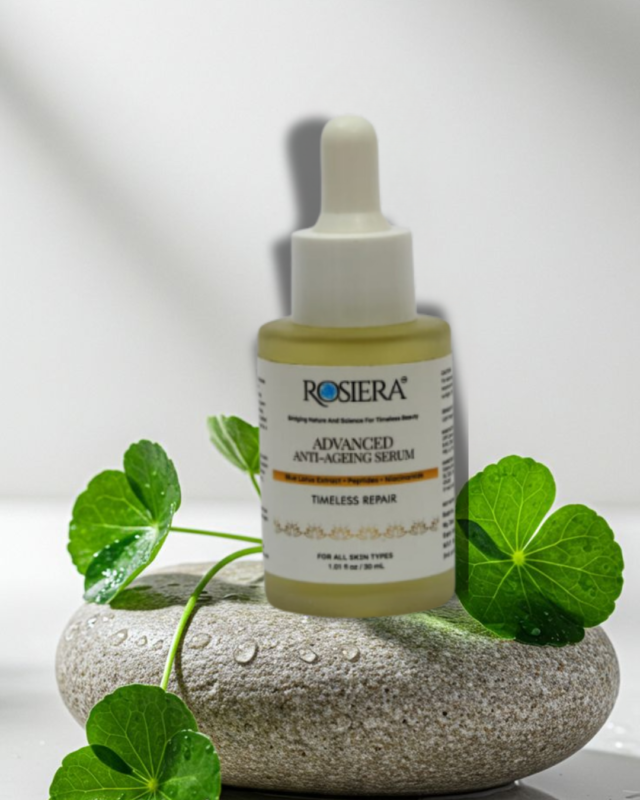
Thoughtfully formulated skincare that combines protective antioxidants with barrier-supporting botanicals can help the skin remain resilient against everyday environmental stress — an approach that inspires the formulation philosophy behind ROSIERA’s Timeless Repair Anti-Ageing Serum.
In environments where pollution, UV exposure, and climate stress are part of daily life, skincare needs to do more than provide temporary surface benefits. Formulations designed to support the skin barrier, provide antioxidant protection, and calm environmental stress can help the skin remain resilient over time. This philosophy of combining carefully selected botanicals with thoughtful scientific formulation is what guides the development of ROSIERA’s Timeless Repair Anti-Ageing Serum — created to support skin’s natural balance while helping it face every day environmental challenges.
A Thoughtful Approach to Long-Term Skin Health
While we cannot change the air we breathe or the climate we live in, we can support the skin’s natural ability to defend and repair itself. Thoughtful skincare today is not about chasing trends or layering countless products, but about choosing formulations that strengthen the skin barrier, calm environmental stress, and support long-term resilience. When science and carefully selected botanicals work together, skincare becomes less about reacting to damage and more about helping the skin maintain its natural balance over time.
Frequently Asked Questions About Pollution and Skin Ageing
1. Does pollution really cause faster premature skin ageing?
Yes. Air pollution contains microscopic particles that generate free radicals, leading to oxidative stress in the skin. Over time this stress can weaken the skin barrier, reduce collagen, and contribute to pigmentation, dullness, and premature wrinkles.
2. Why is environmental ageing more noticeable in Indian skin?
Indian skin is frequently exposed to high UV radiation, urban pollution, dust, heat, and humidity. Continuous exposure to these environmental factors can increase oxidative stress and inflammation in the skin, which may accelerate visible ageing and uneven pigmentation.
3. How can skin be protected from pollution and climate damage?
Supporting the skin barrier is essential. Skincare that includes antioxidants, barrier-supporting ingredients, and calming botanical extracts can help reduce environmental stress. Consistent skincare, sun protection, and gentle cleansing also play an important role in maintaining healthier skin.
2 thoughts on “7 Effective Ways Pollution and Skin Ageing Affect Indian Skin”